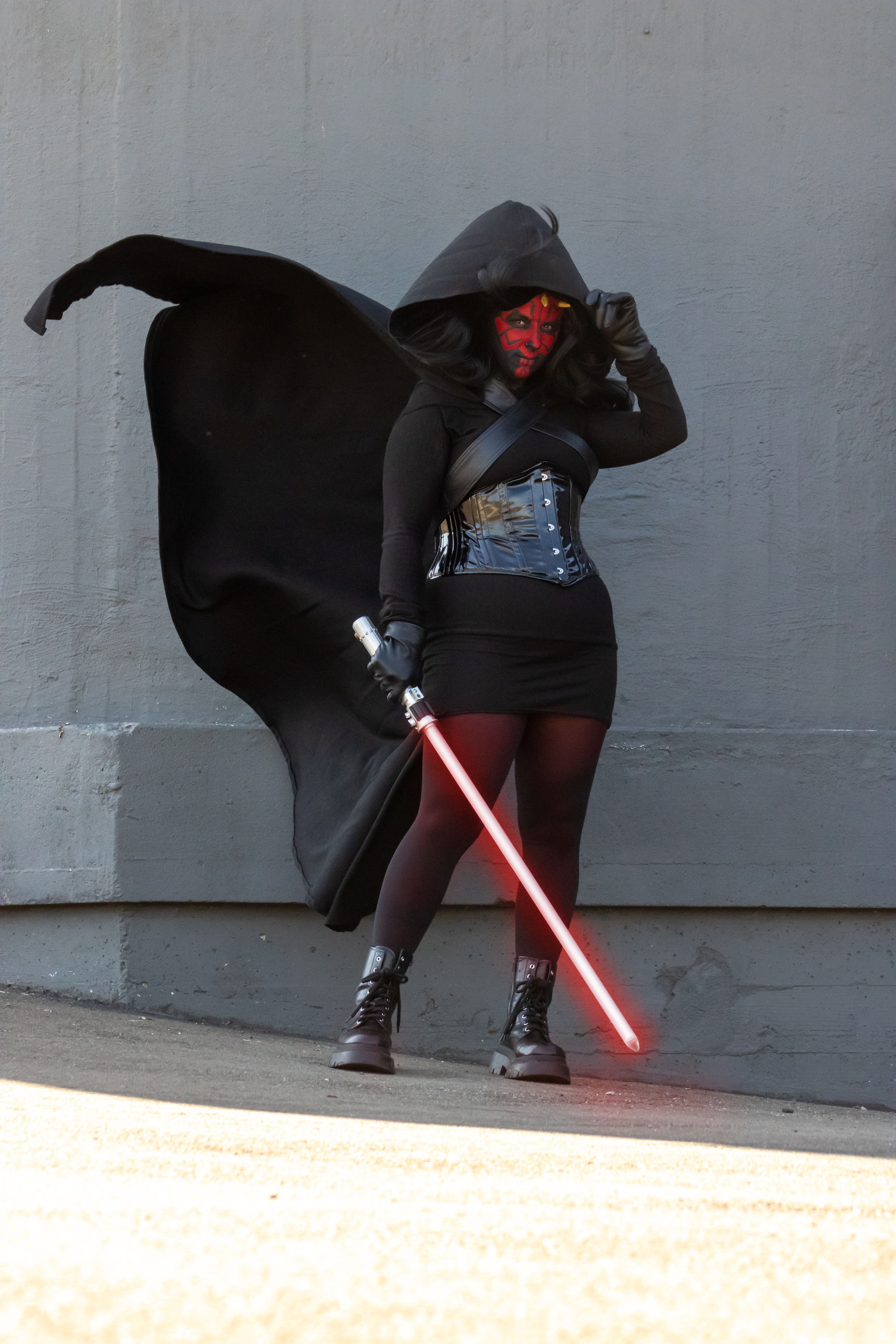
The Strange Science of Being Perceived Online
One of the strangest things about being a creative is that making things and sharing things are two different skills.
Creating has never been the hard part for me.
Give me a camera, a notebook, a half-finished idea, or a project that probably should have stayed a sticky note on my desk, and I’ll happily disappear into it for hours. I love the process. I love experimenting. I love building things from nothing.
What I don’t always love is letting other people see them.
Which is ironic, considering a large part of what I do involves helping other people put themselves out into the world.
I can help someone tell their story.
I can help a business figure out how it wants to be seen.
I can spend hours editing photos, refining details, and encouraging people other people to share the work they’re proud of.
But when it comes to my own projects, suddenly the “Publish” button feels far more dramatic than it has any right to.
I don’t think It’s because I’m afraid of criticism.
At least not entirely.
I think it’s because creating something often feels private. Being perceived is public.
When you’re making something, it’s still yours. It’s unfinished. Safe.
The moment you share it, it stops belonging entirely to you.
People bring their own experiences to it. Their own assumptions and interpretations.
The internet is wonderfully strange that way.
The funny thing is that most creatives aren’t actually afraid of making things.
We’re afraid of what happens after.
Not because we’re fragile-it’s that every piece of work contains fingerprints.
Every photo, story, design, caption, painting, blog post, or half-finished creative experiment says something about the person who made it.
And that’s where things get uncomfortable.
Because, as my twelve-year-old says, “being perceived is weird.”
People can know your work without knowing you.
They can form impressions from fragments.
Sometimes those impressions are accurate.
Sometimes they’re not.
Either way, there’s something vulnerable about putting pieces of yourself where strangers can find them.
I’ve started to realize that sharing creative work isn’t really an act of confidence.
It’s an act of trust.
Trust that not everyone will understand.
Trust that perfection isn’t required.
And trust that the right people will connect with the work for reasons you could never predict.
So here’s to publishing things before they’re perfect.
Here’s to sharing the weird ideas.
Here’s to creating anyway.
And here’s to the strange science of being perceived online.
Yesterday